

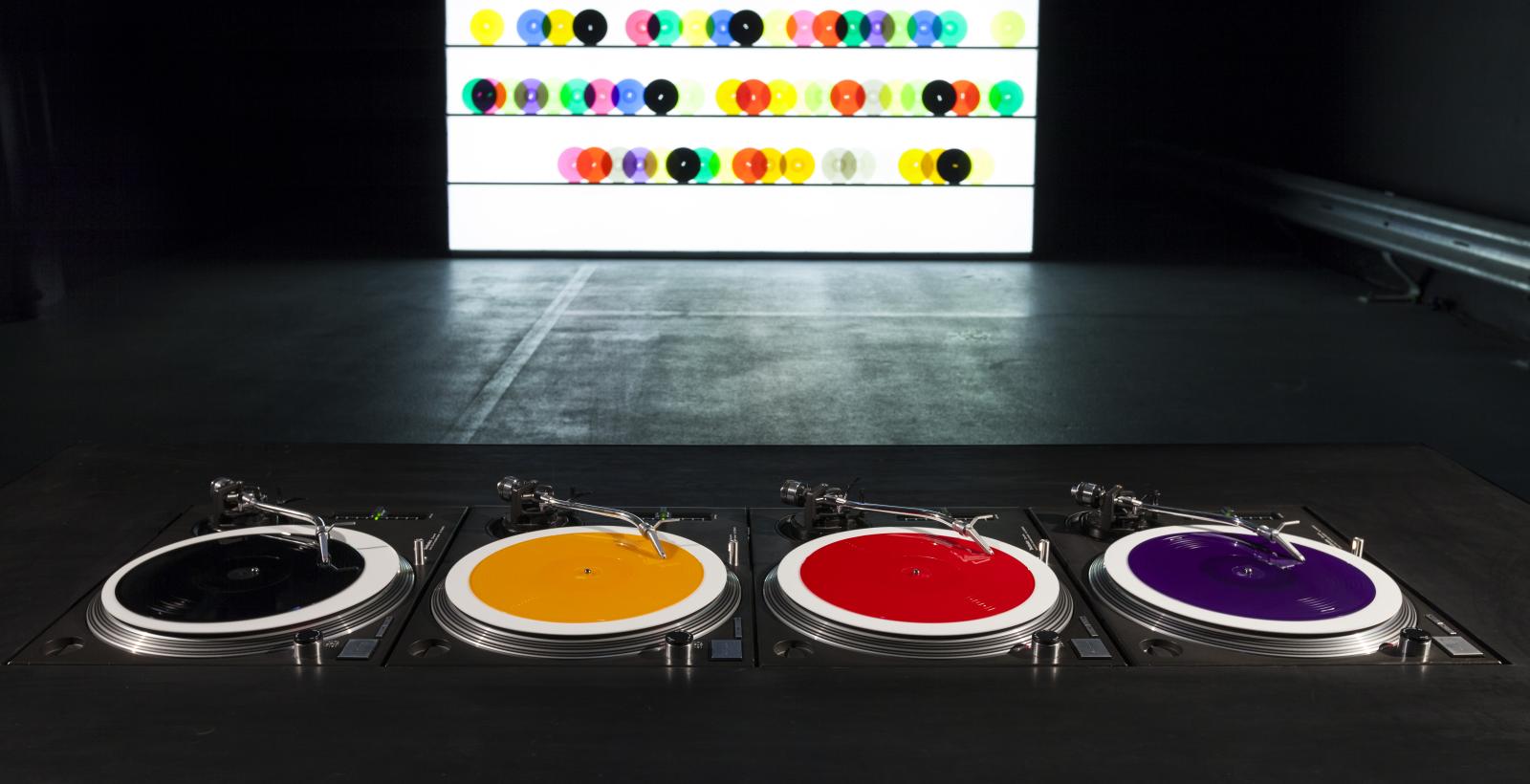
Musikfonds e.V. is constituted as a non-profit association. Its organs are the General Assembly, the Board of Directors and the Board of Trustees.
The General Assembly consists of representatives of the seven member associations of Musikfonds e.V. It is convened at least once a year to discuss and decide on all important matters concerning the Musikfonds, such as the principles of the funding activities. It also decides on the admission of new members, elects the Board of Directors, the Board of Trustees and, if necessary, special juries.
BOARD OF TRUSTEES
The Board of Trustees is elected every three years by the General Assembly. Candidates are proposed by the member associations. Members may only be re-elected once.
In three funding rounds per year the Board of Trustees decides on project funding applications. The meetings are not open to the public; funding decisions are not justified.
The Board consists of two groups of 10 members each. The groups alternate so each trustee is part of every other round of funding. The chairperson and the vice-chairperson of the Board of Trustees chair the meetings.
Chairperson
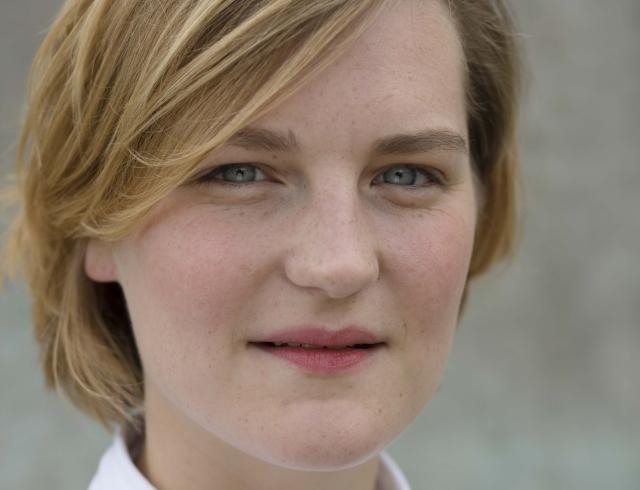
Studied philosophy, French philology and cultural management. Active in various fields of the independent contemporary music, music theatre and performing arts. Coordination of Impuls neue Musik and Bureau Export (contemporary music). Since 2016 director of the field notes program of inm - intitiative neue musik berlin e.V. Also active as moderator and freelance writer.
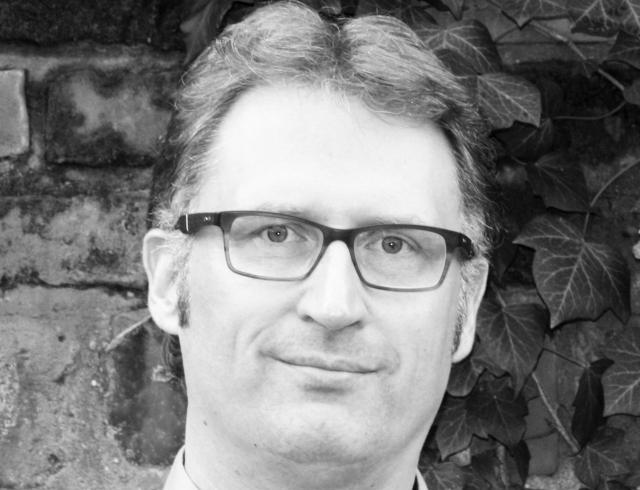
Worked for broadcasters, music publishers, festivals and concert organizers, and as music consultant. Since 2007 active in the Podium Gegenwart of the German Music Council, since 2010 its project manager.
Group 1
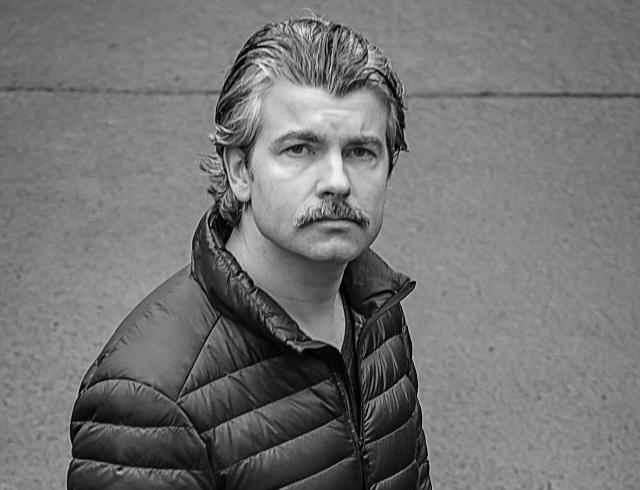
He has premiered over 270 pieces, most of which are dedicated to him. His repertoire almost exclusively consists of recent pieces that often either require a great deal of physical involvement, the use of electronics, or pieces no one else will play. He holds a doctorate, is a member of stock11 and Lange//Berweck//Lorenz and lives in Berlin.
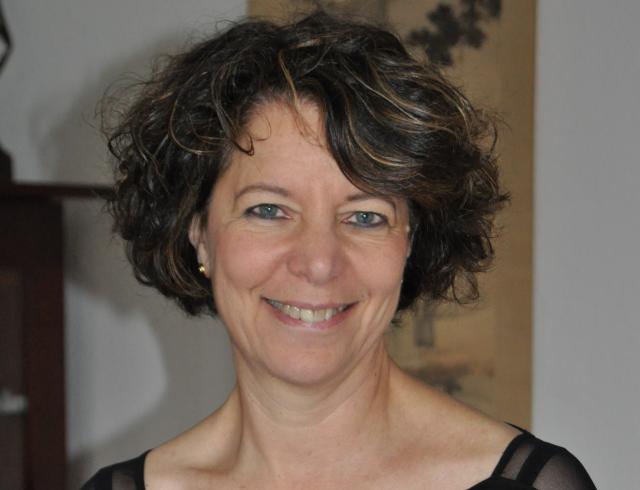
Author in the field of new music. Editor of the series "Contemporary Music for Flute" at the Bärenreiter Verlag, where her books The Techniques of Flute Playing have been published. Artistic director of the Landesjugendensemble Neue Musik Niedersachsen. Member of the advisory board for the Künstlerhof Schreyahn. Winner of the FEM-Nadel of the German Composers Association.
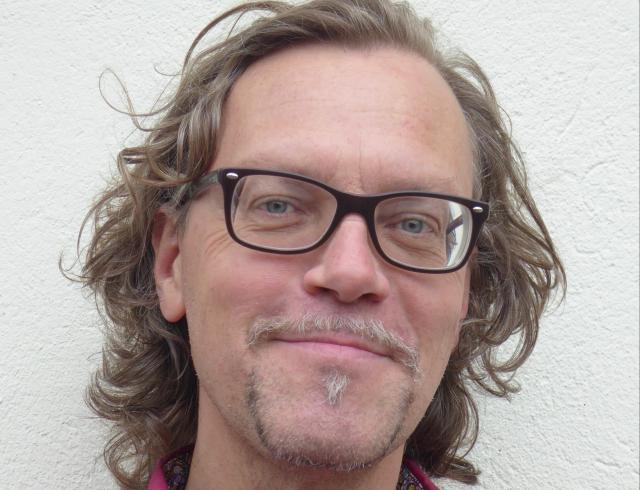
Born in Ludwigsburg in 1968 he studied musicology, philosophy and German philology at the universities of Tübingen, Cologne and Vienna.
He was a board member of the Cologne Society for New Music, spokesperson for the cultural-political initiative group Freie Musik and organizer of the Cologne Music Night from 2006-2015. Is a speaker at international symposia, freelancer for radio stations, and the author of numerous essays and several books on music, aesthetics, cultural and social history of the 19th, 20th and 21st century.
1987 1st prize as horn player at Jugend Musiziert
1994/95 collaborator of Universal Edition Vienna
1997 Magister Artium with Peter Gülke
1997 doctorate with Dietrich Kämper in Cologne
since 2005 lecturer at the HfMT Cologne
2008-2020 lecturer at music academies in Freiburg
2011-2016 lecturer at music academiess in Düsseldorf
2012 appointed honorary professor at the HfMT Cologne
sincs 2018 lecturer at IEMA in Frankfurt
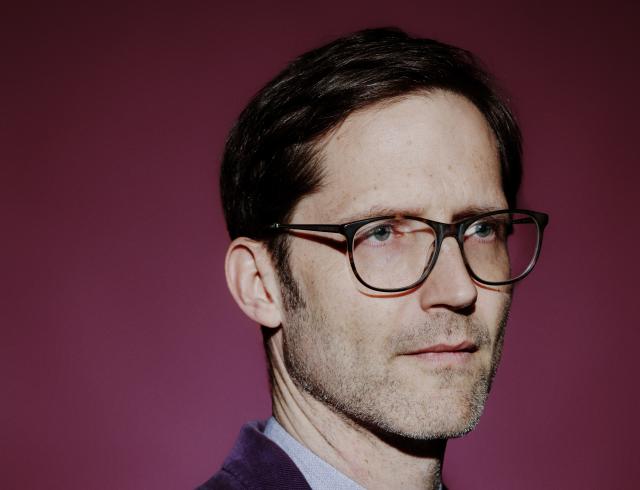
Project manager for various projects, composer for radio and television productions.
2016-2019 juror for Spartenoffene Förderung Berlin
2019-2021 member of the Board of Directors at IG Jazz Berlin
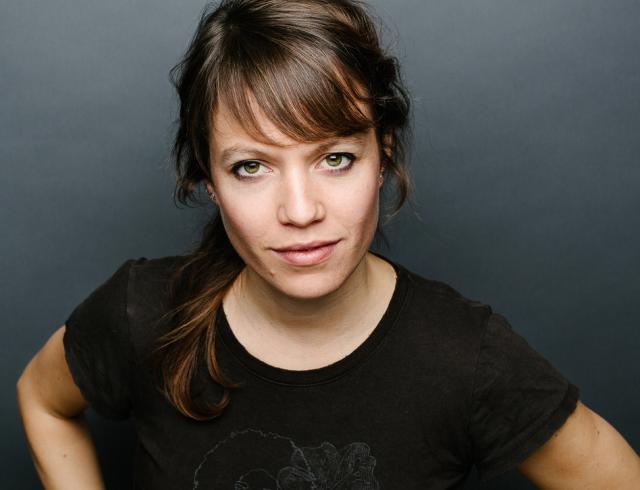
Studied guitar and composition at the Musikhochschule in Munich.
The Monika Roscher Bigband was awarded the Echo Jazz, Förderpreis der Landeshauptstadt München, Bayerischer Kunstförderpreis. Composed the music for Woyzeck and Das Große Heft (directed by Ulrich Rasche and both invited to the Berliner Theatertreffen).
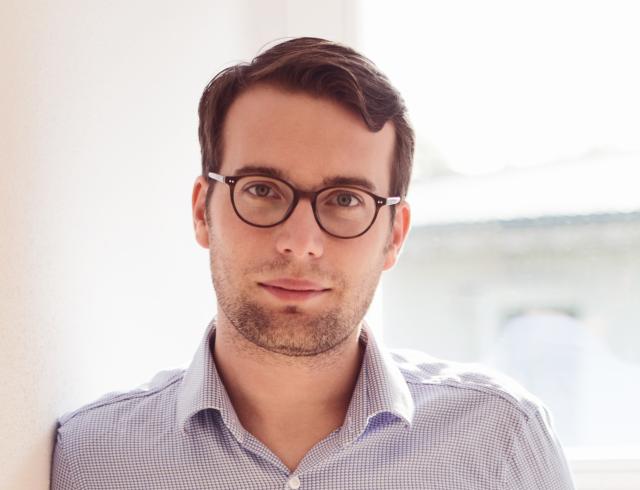
Studied in Munich, artist-in-residence in Bamberg and Paris.
since 2014 conductor of Ju[mb]le, the Youth Ensemble for New Music, Bavaria
2010-2017 artistic co-director of the aDevantgarde Festival
since 2016 head of the publication series Neue Töne
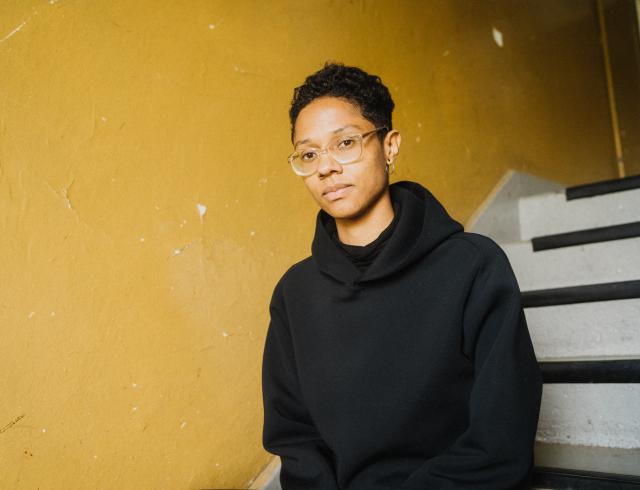
Master's degree in classical percussion/timpani (Bachelor Jazz percussion) at the University of Music and Theatre Munich. Master's degree in Popular Music at Popakademie Mannheim.
Performes with artists such as Moses Sumney, Omar Rodríguez-López, Kraftklub, Tarek K.I.Z, Loredana, Katja Krasavice, Badmómzjay, Elif, Megaloh, Fatoni, Alli Neumann, Bosse, Daniel Donskoy, Mine and others. Philo played at the Bavarian State Opera, went on a variety of concert tours in Egypt, Oman and China, and is an acclaimed solo artist.
Philo's virtuosity and unique style have earned her great recognition far beyond Germany's borders. Her playing style places the drum set in the center of attention, combining pop with jazz, hip hop, afrobeat and classical elements.
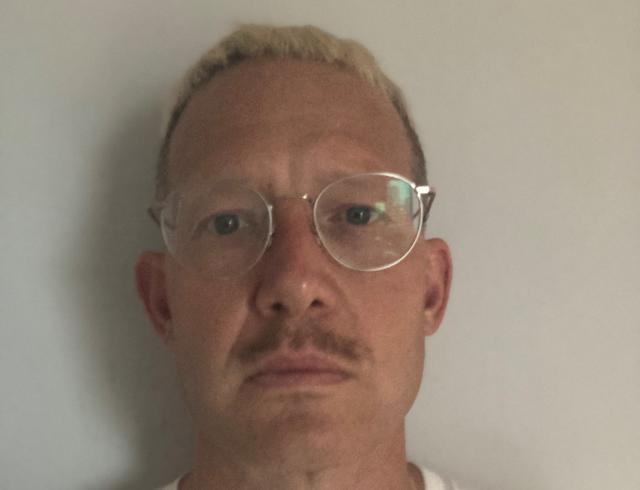
Studied sociology and political science in Stuttgart where he founded the multimedia magazine Harakiri in 1993.
Later freelance authorship for various music magazines and daily newspapers as well as book publications. From 2000-2014 editor-in-chief of Intro Magazine and from 2011-2014 also Director of Media Content at the Hörstmann Group. Operator of the labels onitor, Scheinselbständig and Cereal/Killers as well as the art edition Edition Fieber.
Thomas Venker holds academic and artistic teaching positions at Folkwang University, Paderborn University and Heinrich-Heine-University in Düsseldorf. He is a member of the board of trustees of the Monheim Triennale.
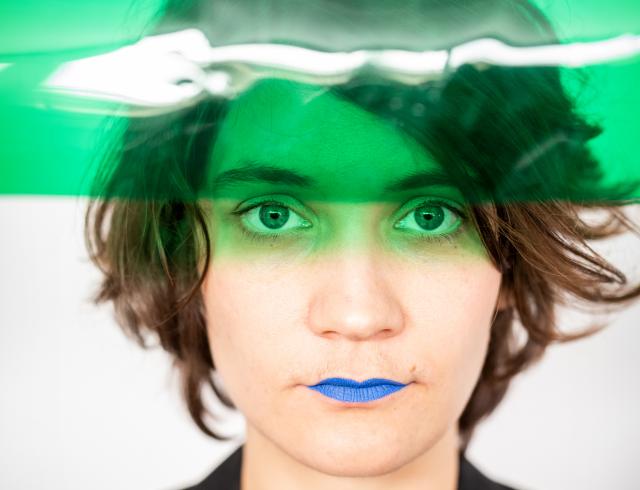
Studied jazz saxophone, composition and musicology in Leipzig, Paris and Cologne.
She works in different fields of contemporary music. Her compositions have been published by Edition Leduc and Edition Peters. Commissioned compositions for the Bauhaus Weimar, the Philharmonie Köln and the Stadtarchiv Köln, among others. She has successfully played internationally as a saxophonist . Her CDs were voted among the best albums of 2018 and 2021 by Die Zeit and Redaktionsnetzwerk Deutschland.
Since spending three creative years in Paris, Luise Volkmann is part of the Collectif LOO, together they organize German-French projects.
Group 2
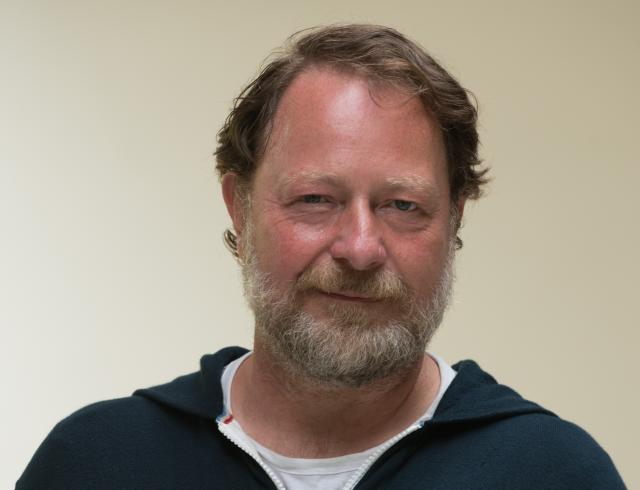
Studied general and comparative literature and Romance Studies (French). Studied at the Faculty of Cultural Studies at the European University Viadrina in Frankfurt Oder.
Former member of the Media-Lab aroma-agentur für Informationsdesign, founding member of the association DISK - Initiative Bild & Ton e.V., co-initiator of the network I.C.A.S. - International Cities of Advanced Sound and related Arts and co-founder of the artist agency DISK Agency, Berlin. In addition, (co-)curator of various exhibitions at the intersection of music and visual arts. In 2021 he founded the Polish Laguna Foundation to build a House of Women Composers in the Polish West Pomeranian Voivodeship.
since 2002 organiser/managing director and artistic co-director of CTM (formerly club transmediale) - festival for adventurous music and arts
2010-2015 head of the EU cultural project E.C.A.S. - Networking Tomorrow's Art for an Unknown Future
since 2018 member of the curator network IKT
since 2013 member of the Council for the Arts Berlin for the field of digital cultures and experimental (pop) music since
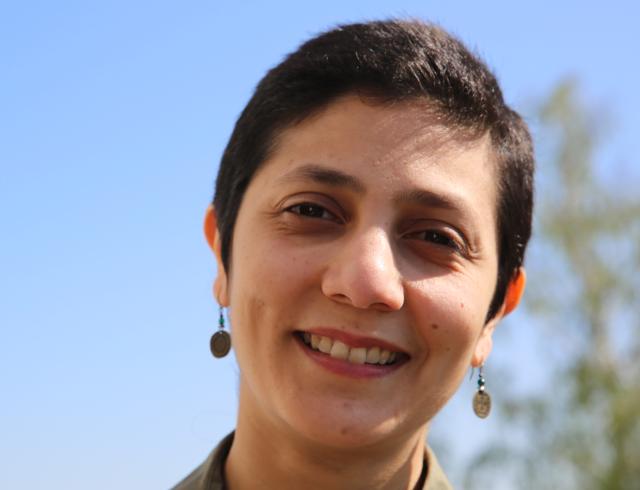
Born in Tehran (Iran). Studied composition in Bremen, Cologne and Freiburg. Lives in Cologne, composes passionately and works internationally with various ensembles and musicians. Her artistic path has already been supported by many prizes and scholarships. 2023 she was awarded the Heidelberger Künstlerinnenpreis.
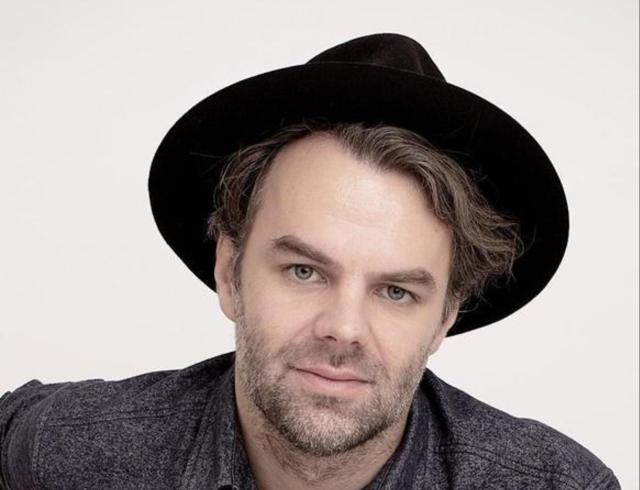
Working in varying genres of pop culture; his works are honoured with gold and platinum awards. Works as a consulting A&R for Universal Music/Vertigo. Has commited himself for #verso (songwriters association) e.g. as co-initiator of the international and genre-spanning "Swop Camps".
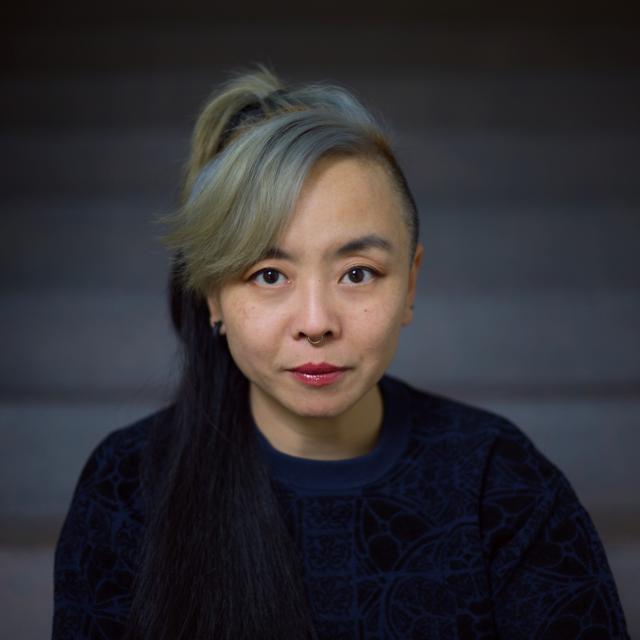
Beijing-born transmedia artist Echo weaves improvised music with real-time composition. She combines various media forms and integrates unusual poetic and narrative elements while drawing deeply from the philosophy of the Chinese instrument, the qin. Her long-time project SlowQin challenges traditional musical boundaries and interweaves diverse cultural, artistic, technical and philosophical concepts. Her works have been exhibited at venues such as the He Xiangning Art Museum and the ZKM. She is currently a doctoral student at the Tangible Music Lab in Linz, Austria. She is based in Cologne, Germany,
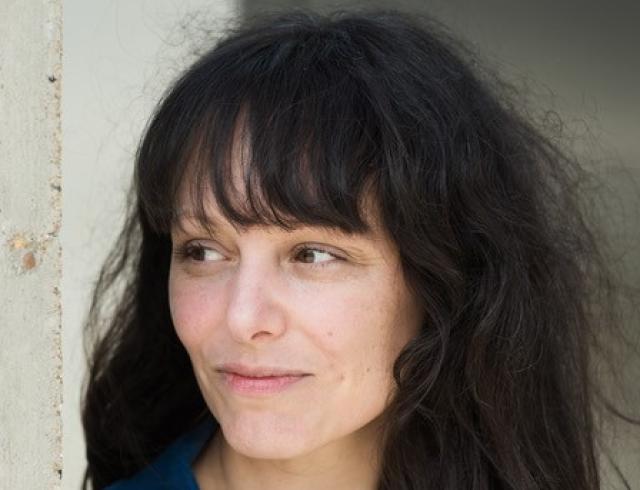
Contemporary Jazz, Improvised Music, Contemporary Music
2013-2019 Curator of the Serious Series in Berlin - Series for Jazz and Improvised Music
2016-2019 board member of IG Jazz Berlin
since 2020 managing director of IG Jazz Berlin
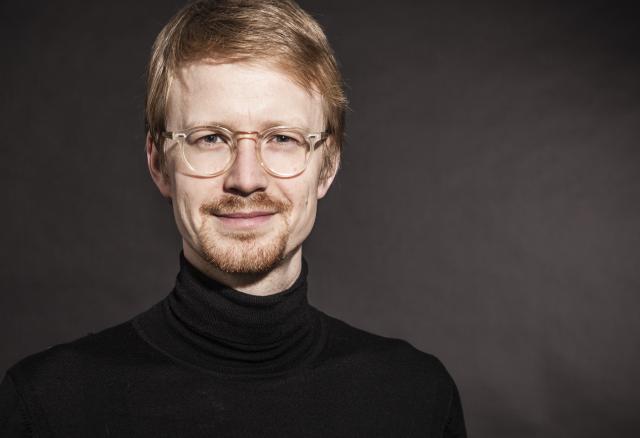
Studied jazz, rock and pop percussion at the Hanover University of Music, Drama and Media and Communication and Cultural Management at Zeppelin University Friedrichshafen.
Currently a consultant for jazz and international cultural relations at the Baden-Württemberg Ministry of Science, Research and the Arts.
2012-2016 Managing Director of the German Jazz Union
Until 2023 Head of the Cultural Department of the district town of Leonberg, previously Head of Cultural Education and Participation at the Cultural Department of Esslingen am Neckar
Until 2018 Arts & Culture Officer at BASF SE in Ludwigshafen
Studied piano and composition for film and television at the University of Music and Theatre in Munich. Teaches at the Universities of Music Munich and Hamburg.
In addition to commissions, she realises her own multimedial music theatre projects and works internationally with dance groups and video artists. Numerous CDs have been published related to her projects. She received a scholarship from the international artists' house Villa Concordia in Bamberg and the Förderpreis der Landeshauptstadt München.
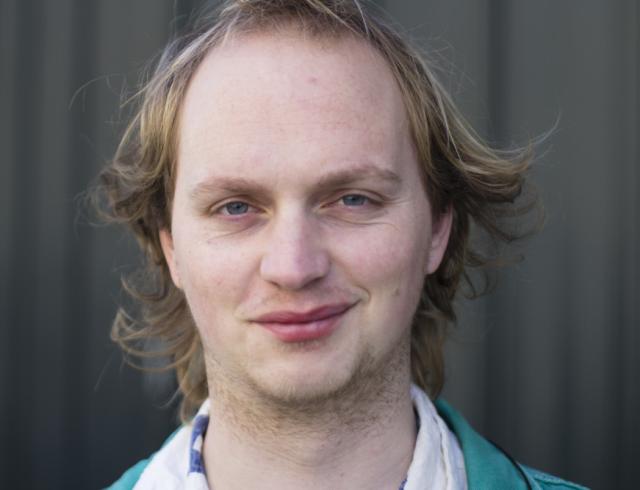
Active in jazz and improvised music as well as electroacoustic improvisation. Curator of "Come Closer" and production manager of "Yiddish Summer Weimar".
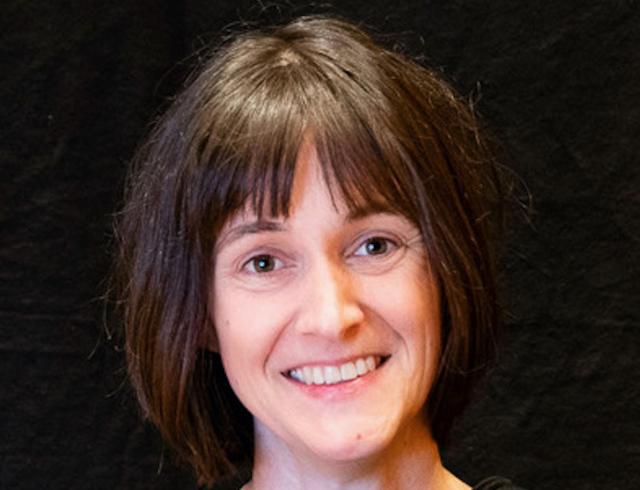
Eva tours the world with contemporary, improvised and electro-acoustic music; she is particularly interested in intercultural and interdisciplinary projects. She lives in Montabaur (Westerwald) and is, among many other things, the artistic director of the "Lauschvisite" concert series and of the Landesjugendensemble Neue Musik Rheinland-Pfalz/Saar.
MEMBER ASSOCIATIONS
Seven nationally active associations in the field of contemporary music are members of Musikfonds e.V.: German Society for Electroacoustic Music - Deutsche Gesellschaft für Elektroakustische Musik, German Jazz Union - Deutsche Jazzunion, German Composers' Association - Deutscher Kompinist:innenverband, German Music Council - Deutscher Musikrat, German Association of Musicians - Deutscher Tonkünstlerverband, Society for New Music - Gesellschaft für Neue Musik, and Initiative Musik.
The German Society for Electroacoustic Music (DEGEM) promotes electroacoustic music and sound art on a national and international level.
To achieve this, the Society organizes conferences, courses, concerts, as well as sharing information internationally and publishing and releasing publications and audio media.
The DEGEM is committed to ensuring appropriate production conditions for electroacoustic music, suitable funding instruments and networking with other associations, interest groups, artists and institutions.
For more than 50 years, the German Jazz Union (formerly Union Deutscher Jazzmusiker e.V.) sees itself as the voice of jazz musicians in Germany. In cooperation with international, national and regional jazz associations as well as jazz-related and interdisciplinary organisations, DJU campaigns for necessary improvements of the structural and financial conditions for performing and teaching jazz musicians.
The German Composers' Association (DKV) is an association of composers of all genres and styles united by the idea of solidarity in representing the interests of all musically creative people. It campaigns in many ways for the interests of composers of all nationalities living and working in Germany. The DKV represents the position of authors/creators nationally and internationally vis-à-vis politicians and the public, as well as in shaping legislation regarding copyright and social security matters
The German Music Council (DMR) is committed to the interests of 15 million musicians in Germany and is the world's largest national organisation for musical culture. It represents around 100 organisations and associations of professional and amateur musicians as well as the 16 state music councils. The association provides impulses for a vibrant musical life and is in constant dialogue with federal politics.
The German Association of Musicians (DTKV) is the oldest and largest professional association for musicians (founded in 1844). It is organised nationwide with around 9,000 individual members and represents all music professions - composers, interpreters, music teachers, etc. The membership in the German Association of Musicians is a trademark for music professions.
In addition to representing their interests vis-à-vis political, social and economic institutions and associations, the DTKV is primarily committed to improving the general conditions for music and musical education in Germany. It is committed to ensuring that the rights of freelance musicians in particular are protected and that musicians are able to live off their work.
The Society for New Music (GNM) was founded in 1922, banned by the National Socialists in 1933 and re-established in 1948. The society’s objective is to promote new music, taking into account its individual and social function, its further development and the interchange between theory and practice. It currently has around 300 natural and 50 cooperative members. The GNM represents Germany at the iscm World New Music Days and appoints a jury for the German submissions.
The Initiative Musik is the central funding institution of the Federal Government and the music industry for the German music scene. We strengthen the presentation and distribution of music from Germany nationally and internationally. Our programmes, projects and awards focus on supporting professional newcomers, established musicians, live music clubs and music companies, as well as on developing sustainable structures for rock, pop and jazz throughout Germany.
BOARD OF DIRECTORS
The General Assembly elects three chairpersons to the Board of Directors for a period of three years. Prof. Martin Maria Krüger is the Chairman of the Board, Dr. Julia Cloot and Felix Falk are his deputies.
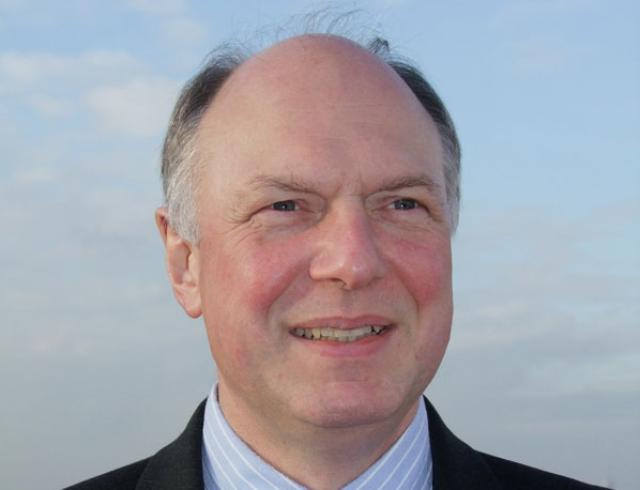
Studied guitar and percussion at the University of Music Würzburg.
1982 Director of the Würzburg Hermann Zilcher Conservatory
since 2003 President of the German Music Council (DMR)
since 2009 Honorary Professor at the University of Music and Performing Arts Munich
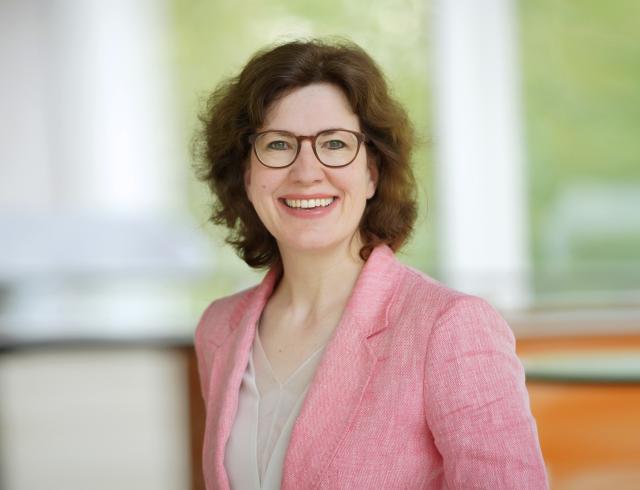
Full-time curator at the Kulturfonds Frankfurt RheinMain.
2011-2021 President of the German Section of the International Society for New Music (IGNM)
since 2021 member of the board of the German Society for Electroacoustic Music (DEGEM)
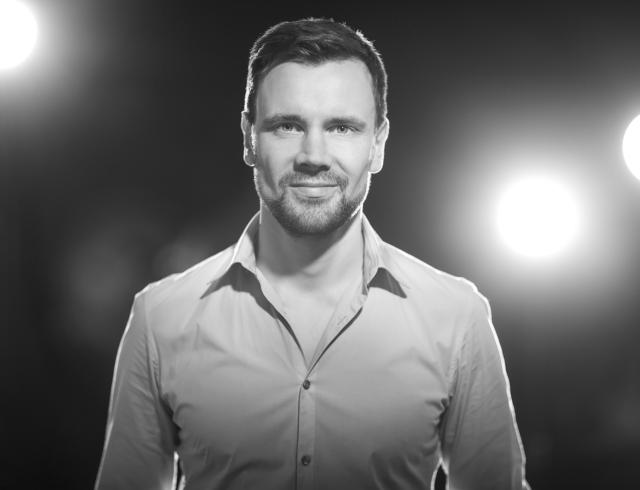
Saxophonist from Berlin. He was one of the initiators of the re-foundation of the German Jazz Union in 2012 and is its vice-chairman.
OFFICE
The Musikfonds office is located in Berlin-Wedding and run by Gregor Hotz as Managing Director and Petra Taube as Office Manager and Project Coordinator. Both have been working for the Musikfonds since mid-2017.
The team consists of seven employees.
The office is responsible for the entire operational business of the Musikfonds. Its tasks are advising applicants, accepting applications, processing funded projects, checking and verifying the use of the granted funds as well as providing personal support to the project managers.
Other important tasks include the preparation of general meetings and meetings of the Board of Trustees, and the administration of federal funds, i.e. application, communication and processing of grants..
The office mediates between the requirements of the administration and the needs of the applicants.
The Musikfonds is committed to promoting the interests of the independent contemporary music scene in cultural and political contexts.